What tests can a dermatologist perform?
- arabicdynamic494
- 1 day ago
- 3 min read
A dermatologist can perform or arrange several diagnostic tests to identify skin, hair, nail, and scalp conditions. The appropriate test depends on the symptoms and suspected condition. Common options include skin biopsies, allergy testing, fungal testing, dermoscopy, and selected blood tests. Professional dermatological evaluation through طب الجلد في دبي can help determine which examination or test is appropriate.
Skin Biopsy:
A skin biopsy involves removing a small sample of skin for examination under a microscope. It may be recommended when a dermatologist needs to distinguish between different skin conditions or investigate a suspicious lesion.
Different biopsy techniques may be used depending on the location and characteristics of the affected area.
Dermoscopy:
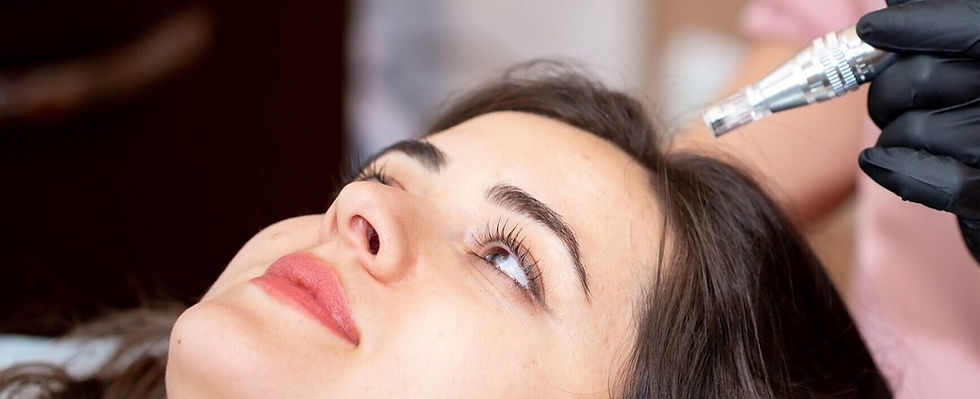
Dermoscopy is a non-invasive examination that uses a specialized magnifying device to provide a closer view of skin structures that may not be easily visible to the naked eye.
It is commonly used to evaluate moles and other pigmented or suspicious lesions.
Fungal Testing:
When a fungal infection is suspected, a dermatologist may take a small sample of skin, hair, or nail material for laboratory examination.
This can help distinguish a fungal infection from conditions that may look similar.
Allergy Testing:
For suspected allergic contact dermatitis, patch testing may be performed to identify substances that trigger a skin reaction.
The results can help patients avoid specific allergens and manage recurring symptoms.
Wood's Lamp Examination:
A Wood's lamp uses ultraviolet light to help examine certain skin conditions. It can sometimes assist in evaluating pigmentation changes and particular infections.
It is generally quick and non-invasive.
Blood Tests:
Dermatologists may recommend blood tests when a skin, hair, or nail concern could be associated with an underlying medical condition. Blood testing may be used to investigate certain causes of hair loss, inflammatory conditions, or other concerns.
The specific tests depend on the symptoms and clinical findings.
Bacterial Testing:
If a bacterial infection is suspected, a sample from the affected area may be collected for laboratory testing. This can help identify the organism and guide appropriate treatment.
Nail And Hair Testing:
Samples of nails or hair may sometimes be examined when conditions such as fungal infections or certain hair disorders are suspected.
Allergy And Sensitivity Assessment:
When recurring rashes or irritation are difficult to explain, dermatologists may investigate possible allergens, irritants, medications, or environmental triggers.
When Might A Dermatologist Recommend Testing?
Testing may be considered when:
A diagnosis is unclear
A lesion looks unusual
A skin infection is suspected
A rash repeatedly returns
Hair loss has an unexplained cause
A mole or growth has concerning changes
Symptoms do not improve with initial treatment
Not every dermatological concern requires testing. Many common conditions can be diagnosed through medical history and physical examination alone.
Frequently Asked Questions:
Does every skin problem require a test?
No. Many conditions can be diagnosed through a clinical examination and medical history. Testing is generally recommended when it can provide useful diagnostic information.
Is a skin biopsy painful?
A local anesthetic is generally used during a biopsy, so the procedure is usually well tolerated. Some tenderness may occur afterward.
Can dermatologists test moles?
Yes. Dermoscopy can provide a closer examination of moles, and a biopsy may be recommended when a lesion requires further investigation.
Can a dermatologist test for skin allergies?
Yes. Patch testing is commonly used to investigate allergic contact dermatitis and identify substances that may trigger reactions.
Can dermatologists diagnose fungal infections?
Yes. Depending on the suspected infection, a dermatologist may examine skin, hair, or nail samples to help confirm the diagnosis.
Conclusion:
Dermatologists can perform or arrange a range of tests, including skin biopsies, dermoscopy, fungal testing, allergy testing, Wood's lamp examinations, bacterial testing, and selected blood tests. The appropriate test depends on the individual's symptoms and clinical findings. A professional examination is the first step in determining whether diagnostic testing is necessary.


Comments