Is a Hair Transplant minimally invasive?
- arabicdynamic494
- 9 hours ago
- 4 min read
For people experiencing thinning hair or noticeable baldness, one of the most common questions is: Is a hair transplant minimally invasive? The answer is yes. Modern hair restoration techniques are designed to be minimally invasive, allowing individuals to restore natural-looking hair with smaller incisions, quicker recovery, and less discomfort than traditional surgical procedures. Today’s advanced methods focus on preserving healthy tissue while delivering long-lasting, aesthetically pleasing outcomes.
Many people searching for Hair Transplant in Dubai (زراعة الشعر في دبي) want to understand whether the procedure involves extensive surgery or a lengthy healing process. Fortunately, modern techniques have evolved significantly, making treatment more comfortable and convenient.
Learn about Hair Transplant in Dubai, its benefits, cost, and results. Book your consultation today!
What Is The Treatment And How It Works?
A Hair Transplant (زراعة الشعر) is a minimally invasive cosmetic procedure that restores hair by relocating healthy follicles from a donor area to regions experiencing thinning or baldness. These follicles continue producing hair naturally after they establish themselves in their new location.
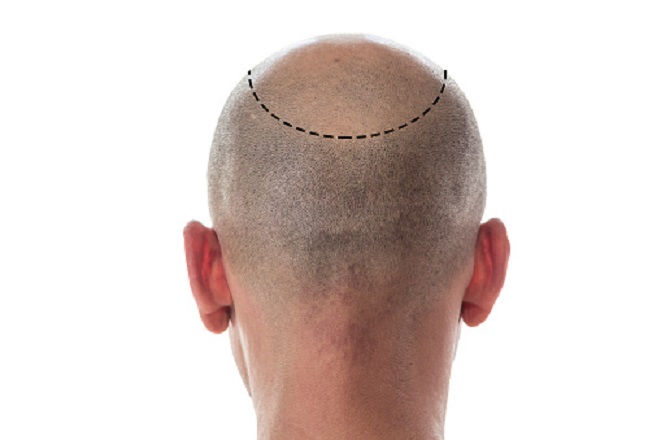
How The Procedure Works:
The treatment follows several carefully planned steps:
Evaluation of hair density and scalp condition
Identification of a healthy donor area
Careful extraction of individual follicular units or small tissue strips
Creation of tiny recipient sites
Precise implantation of hair follicles
Healing and gradual hair growth over the following months
Because the incisions are extremely small, surrounding tissue experiences minimal disruption. This allows patients to recover faster compared to many conventional surgical procedures.
Importance Of The Treatment:
Hair restoration is not only about improving appearance but also about restoring confidence and emotional well-being. Hair loss may affect self-image, professional interactions, and social confidence.
The treatment helps by:
Restoring natural hairlines
Filling thinning areas
Improving facial balance
Creating fuller hair density
Providing permanent hair growth from transplanted follicles
Supporting long-term hair restoration goals
Modern techniques continue to improve precision, making the procedure safer, more efficient, and less invasive than ever before.
Types Of Treatment:
Different minimally invasive approaches are available depending on hair loss patterns and individual goals.
Follicular Unit Extraction (FUE):
This method removes individual hair follicles directly from the donor area using tiny instruments.
Advantages include:
Minimal scarring
Faster healing
Small extraction points
Natural-looking results
Reduced postoperative discomfort
Follicular Unit Transplantation (FUT):
This technique removes a narrow strip of scalp from the donor region before separating individual follicles.
Benefits include:
High number of grafts
Suitable for extensive hair loss
Excellent follicle survival
Efficient coverage for larger areas
Direct Hair Implantation (DHI):
An advanced variation that allows follicles to be implanted immediately after extraction using specialized implantation tools.
Advantages include:
Increased placement precision
Less handling of follicles
Faster implantation process
High-density results
Robotic-Assisted Hair Restoration:
Some advanced systems use robotic technology to improve follicle harvesting accuracy while minimizing tissue trauma.
Which Technique Is Most Minimally Invasive?
Among current options, FUE and DHI are generally considered the least invasive because they avoid large incisions and significantly reduce visible scarring.
Preparation And Aftercare:
Proper preparation and careful aftercare contribute significantly to successful healing and optimal hair growth.
Preparation Before Treatment:
Patients are usually encouraged to:
Maintain a healthy lifestyle
Stay hydrated
Follow pre-treatment instructions carefully
Wash the scalp before the procedure
Wear comfortable clothing
Arrange transportation if necessary
Avoid unnecessary scalp irritation
Good preparation helps create an ideal environment for successful follicle implantation.
Aftercare Guidelines:
Recovery is generally straightforward because of the minimally invasive nature of the procedure.
Important aftercare includes:
Protecting the scalp from direct sunlight
Sleeping with the head elevated initially
Avoiding scratching or rubbing treated areas
Following recommended washing instructions
Limiting strenuous physical activities during early healing
Maintaining proper scalp hygiene
Attending scheduled follow-up assessments
Most small extraction and implantation sites heal gradually within days, while transplanted follicles begin their natural growth cycle over the following months.
Ideal Candidate:
Not everyone experiences hair loss in the same way, making proper evaluation an essential part of treatment planning.
The procedure may be suitable for individuals who:
Have stable hair loss
Possess healthy donor hair
Want permanent hair restoration
Have realistic expectations
Experience male or female pattern hair loss
Wish to improve thinning areas
Are in good general health
Hair quality, scalp condition, and overall hair density all influence treatment planning.
How To Choose The Right Clinic:
Choosing an experienced facility is one of the most important decisions during the hair restoration journey.
Look for:
Advanced treatment technology
Modern minimally invasive techniques
Comprehensive consultation process
Strong patient education
High standards of hygiene
Personalized treatment planning
Natural-looking treatment philosophy
Detailed follow-up support
Many individuals researching the Best Hair Transplant Dubai (فضل زراعة الشعر دبي) focus on finding experienced professionals, advanced equipment, and a commitment to natural-looking outcomes rather than simply choosing the fastest option.
Benefits:
Modern minimally invasive hair restoration offers numerous advantages:
Minimal tissue damage
Tiny incisions
Faster healing
Less postoperative discomfort
Natural hair growth
Permanent transplanted follicles
Improved appearance
Increased confidence
Minimal visible scarring
Precise follicle placement
Short recovery period
High success potential
FAQs:
Is a hair transplant considered surgery?
Yes, but it is classified as a minimally invasive surgical procedure because only tiny incisions are made during follicle extraction and implantation.
Will scars be noticeable?
Modern minimally invasive techniques typically leave extremely small marks that become difficult to notice once healing is complete.
How soon can normal activities resume?
Many people return to routine daily activities within a few days while following recommended aftercare instructions.
When will new hair start growing?
New hair generally begins appearing several months after treatment as transplanted follicles enter their normal growth cycle.
Are the results permanent?
Yes. Transplanted follicles usually continue growing naturally because they retain the characteristics of the donor area.
Conclusion:
A modern hair transplant is widely recognized as a minimally invasive solution for restoring natural hair growth with minimal disruption to daily life. Advanced techniques reduce tissue trauma, promote faster healing, and create natural-looking outcomes while preserving healthy scalp structures. With proper preparation, careful aftercare, realistic expectations, and a personalized treatment plan, individuals can enjoy lasting improvements in hair density and confidence. As technology continues to advance, minimally invasive hair restoration remains one of the most effective long-term options for people seeking a fuller, healthier, and more youthful appearance.


Comments