Can Botox Replace Surgery
- arabicdynamic494
- Apr 27
- 4 min read
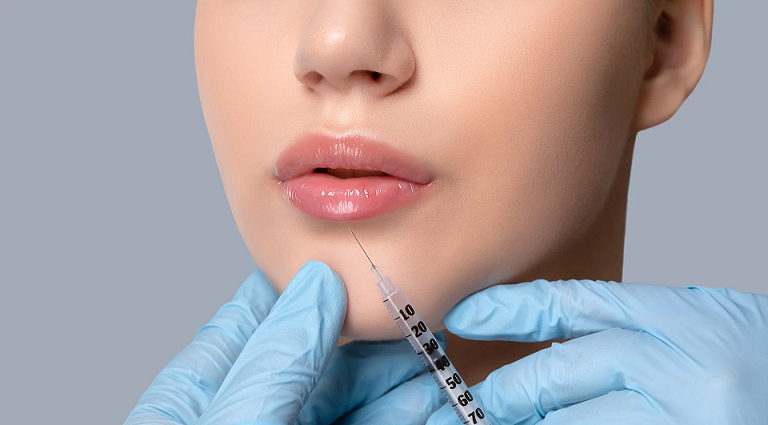
In the ever-evolving world of aesthetic treatments, many people wonder whether non-surgical options can truly replace traditional procedures. One of the most commonly discussed treatments is Botox Injection (حقن البوتوكس), which has gained global popularity for its ability to reduce wrinkles and enhance facial appearance without invasive techniques. As the demand for minimally invasive solutions rises, individuals often ask whether this approach can fully substitute surgical interventions. Particularly in modern beauty hubs, interest in Botox Injection in Dubai (حقن البوتوكس في دبي) reflects a broader shift toward safer, quicker cosmetic solutions. This article explores whether Botox can genuinely replace surgery or if both have their distinct roles.
What Is The Treatment And How It Works:
Botox is a purified protein derived from botulinum toxin, used in controlled doses for cosmetic and medical purposes. It works by temporarily relaxing targeted muscles that cause wrinkles and fine lines.

How Botox Functions:
Blocks nerve signals to specific muscles
Prevents muscle contractions that lead to wrinkles
Smooths dynamic lines such as crow’s feet and frown lines
Delivers visible results within a few days
Unlike surgery, which physically alters tissue, Botox modifies muscle activity. This makes it ideal for subtle, temporary enhancements rather than permanent structural changes.
Importance Of Treatment:
Botox plays a significant role in modern cosmetic care due to its convenience and effectiveness. It addresses early signs of aging and helps individuals maintain a youthful appearance without downtime.
Why People Choose Botox:
Non-invasive and quick procedure
Minimal recovery time
Prevents deeper wrinkle formation
Enhances confidence and appearance
While surgery may be necessary for more dramatic transformations, Botox offers a preventive and maintenance-based approach, making it highly relevant in today’s fast-paced lifestyle.
Types Of Treatment:
Botox is versatile and can be used in various ways depending on aesthetic goals and medical needs.
Common Botox Applications:
Cosmetic Treatments
Forehead lines
Crow’s feet
Frown lines
Medical Uses
Migraine relief
Excessive sweating (hyperhidrosis)
Muscle spasms
Each type serves a different purpose, highlighting that Botox is not a one-size-fits-all solution. While it excels in treating surface-level concerns, it cannot replace surgical procedures that address deeper structural issues like excess skin or significant sagging.
Preparation Aftercare:
Proper preparation and aftercare are essential for achieving optimal results with Botox.
Before The Treatment:
Avoid alcohol and blood-thinning medications
Stay hydrated
Discuss expectations clearly
After The Treatment:
Avoid touching or massaging the treated area
Stay upright for a few hours
Skip intense physical activities for 24 hours
These steps ensure that the treatment settles properly and delivers the desired outcome. Compared to surgery, aftercare for Botox is simple and manageable.
Ideal Candidate:
Not everyone seeking cosmetic enhancement will benefit equally from Botox. Understanding the ideal candidate helps set realistic expectations.
Who Is Suitable For Botox:
Individuals with mild to moderate wrinkles
People seeking non-surgical solutions
Those wanting preventive anti-aging care
Individuals in good overall health
Who May Need Surgery Instead:
People with significant skin sagging
Those requiring structural facial changes
Individuals seeking long-term or permanent results
Botox is best suited for early intervention and maintenance, whereas surgery is more appropriate for advanced aging concerns.
How To Choose A Right Clinic:
Selecting the right place for treatment is crucial for safety and results, even though this article does not mention specific names.
Key Factors To Consider:
Certified and experienced practitioners
Clean and hygienic environment
Transparent consultation process
Positive patient reviews
Making an informed decision ensures both safety and satisfaction, regardless of whether you choose Botox or surgical options.
Benefits And Advantages:
Botox offers numerous advantages that make it a preferred choice for many individuals.
Key Benefits:
Quick procedure (often under 30 minutes)
No incisions or scars
Natural-looking results
Temporary and adjustable outcomes
Minimal downtime
Limitations Compared To Surgery:
Results are not permanent
Limited to surface-level improvements
Requires repeat sessions
While Botox provides convenience and subtle enhancement, it cannot fully replace surgery in cases requiring dramatic or long-lasting changes.
FAQs:
Can Botox Completely Replace Surgery?
No, Botox cannot fully replace surgery. It is ideal for minor corrections but not for major structural changes.
How Long Do Botox Results Last?
Results typically last between 3 to 6 months, depending on individual factors.
Is Botox Painful?
Most people experience minimal discomfort, often described as a slight pinch.
Can Botox Prevent Aging?
Botox can slow down the appearance of wrinkles but does not stop the natural aging process.
Is Botox Safe?
When performed correctly, Botox is generally considered safe with minimal risks.
Conclusion:
Botox (البوتوكس) has revolutionized the field of cosmetic enhancement by offering a safe, quick, and non-invasive alternative to traditional procedures. However, it is not a complete replacement for surgery. While Botox excels in treating fine lines and preventing early signs of aging, surgical methods remain essential for addressing deeper and more complex concerns. The choice ultimately depends on individual goals, the extent of correction needed, and personal preferences. For those seeking subtle improvements and minimal downtime, Botox is an excellent option, but for transformative results, surgery still holds its place in modern aesthetics.


Comments